
ARC NEWS

Executive Director Helen Raine talks to Tricia Allen of Hōʻike TV about the ʻalae ʻula
Helen Raine talks story about the endangered ʻalae ʻula with Tricia Allen.
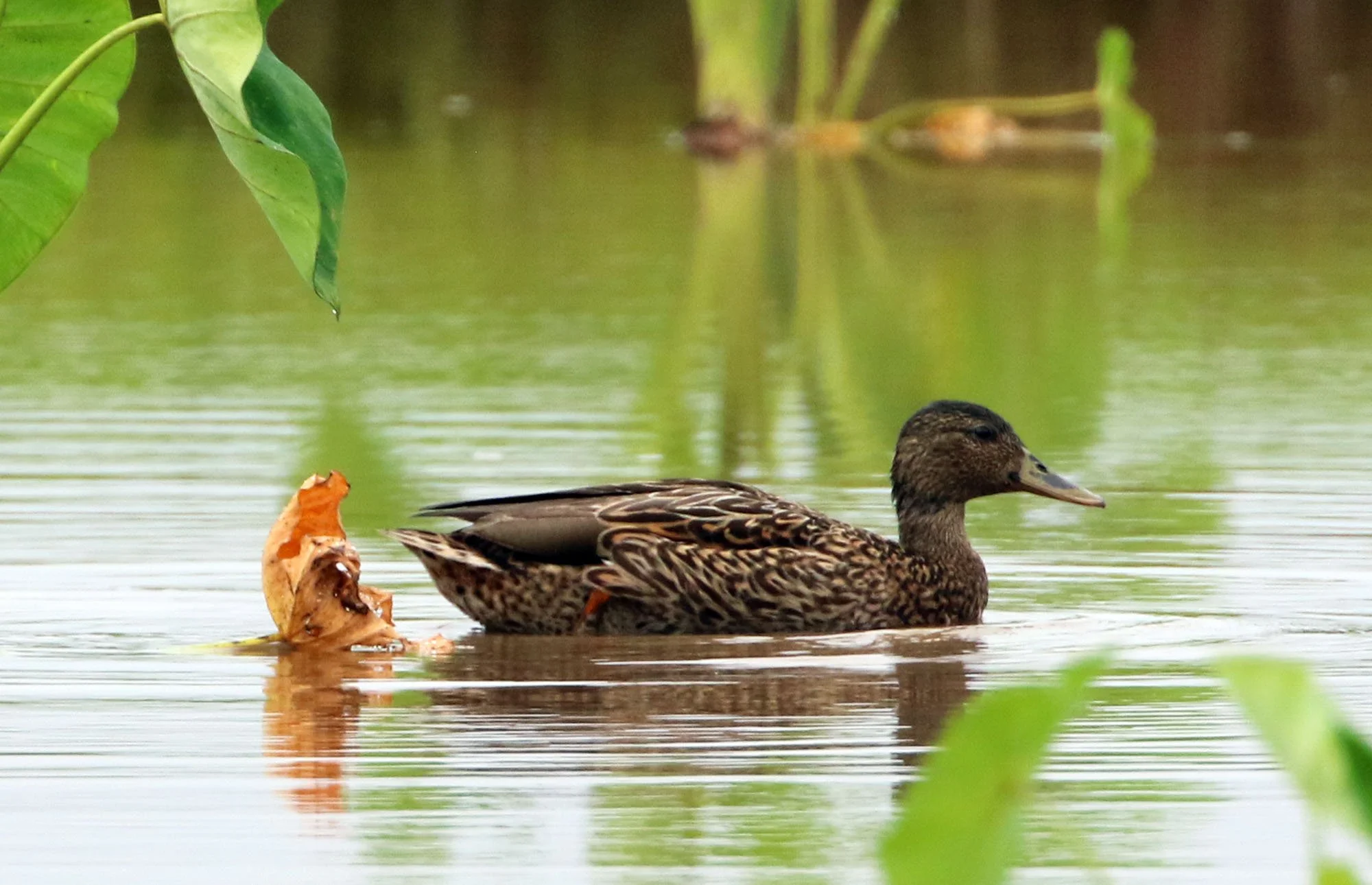
Helen Raine on Kauaʻi’s First Avian Flu Case in Endangered Koloa Maoli
ARC Executive Director Helen Raine discusses the implications of Kauaʻi’s first avian flu case in the endangered native duck and ongoing conservation efforts.
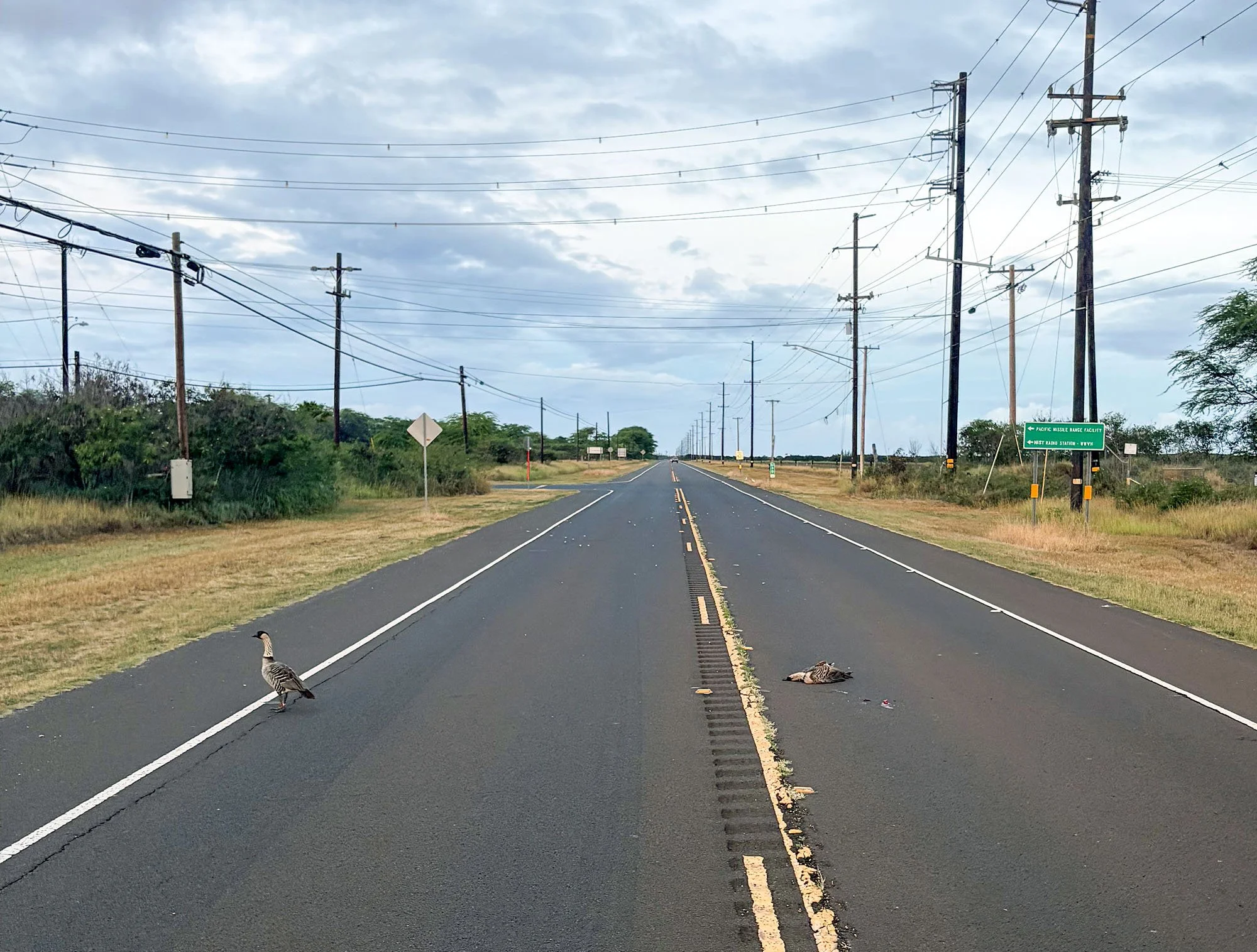
ARC Biologist Jillian Soller Discusses Nēnē Road Safety in Hawaiʻi Public Radio Interview
Conservationists are working to reduce vehicle-related deaths of Hawaiʻi’s state bird on West Kauaʻi’s Kaumualiʻi Highway. Hear ARC biologist Jillian Soller discuss the new Mānā Plains Nēnē Project in a Hawaiʻi Public Radio interview.

The Road to Nēnē Recovery: A New Project Aims to Address Nēnē Deaths in Westside Kauaʻi.
The Mānā Plains Nēnē Project launched today to reduce nēnē road deaths along a five-mile stretch of West Kauaʻi highway, uniting partners to study causes and protect Hawaiʻi’s endangered State Bird during the breeding season.

New video reveals devastation of a Hawaiian seabird colony by cats – third incident in two weeks
In the past two weeks, at least 180 native ‘ua‘u kani (Wedge-tailed Shearwaters) have been killed on Kaua‘i, mostly by cats and dogs. One colony at Ninini Point lost at least 125 birds. These recurring events threaten seabird populations across the island.

Vote to Help Save the ʻAlae ʻUla, Kauaʻi’s Endangered Waterbird
Only ~700 ʻalae ʻula remain! Vote now to help uplift this endangered Hawaiian waterbird — and support local businesses too.


ARC 2024 Intern: George Okongwu
Our intern George Okongwu reflects on his time with ARC this past summer.

Pacific Birds’ Strategic Plan For Hawai‘i Wetlands 2024
Our Executive Director Helen Raine and the team recently completed the Pacific Birds’ Strategic Plan for Hawai‘i Wetlands 2024. It will guide Pacific Birds’ work and help partners to prioritize actions at both the State and local level.

Rescued ʻuaʻu Chick Takes Flight!
An endangered ʻuaʻu (Hawaiian Petrel) chick that was rescued by a team from Archipelago Research and Conservation (ARC) in the middle of October has been successfully released out to sea after 39 days of care by the Save Our Shearwaters (SOS) program.

Team Discovers Rare Seabird Nests On Tutuila For The First Time In Almost Forty Years
Four active burrows of the rare Taʻiʻo (Tahiti Petrel Pseudobulweria rostrata) were discovered on two separate mountain peaks on Tutuila, American Samoa last month – the first time burrows of this species have been found on the island since 1986.

How Wetlands Can Save Our Endangered Birds
Did you know that there is a surprisingly close link between keeping our community safe from climate change and bird conservation?

New Seabird Restoration Project Highlights Connections Between Culture And Conservation
A seabird restoration project was initiated this week at Nuʻalolo Kai on the rugged and remote Nā Pali coast of Kauaʻi. The project is a partnership of multiple organizations and aims to restore seabird populations that have been lost from the site due to introduced predators.


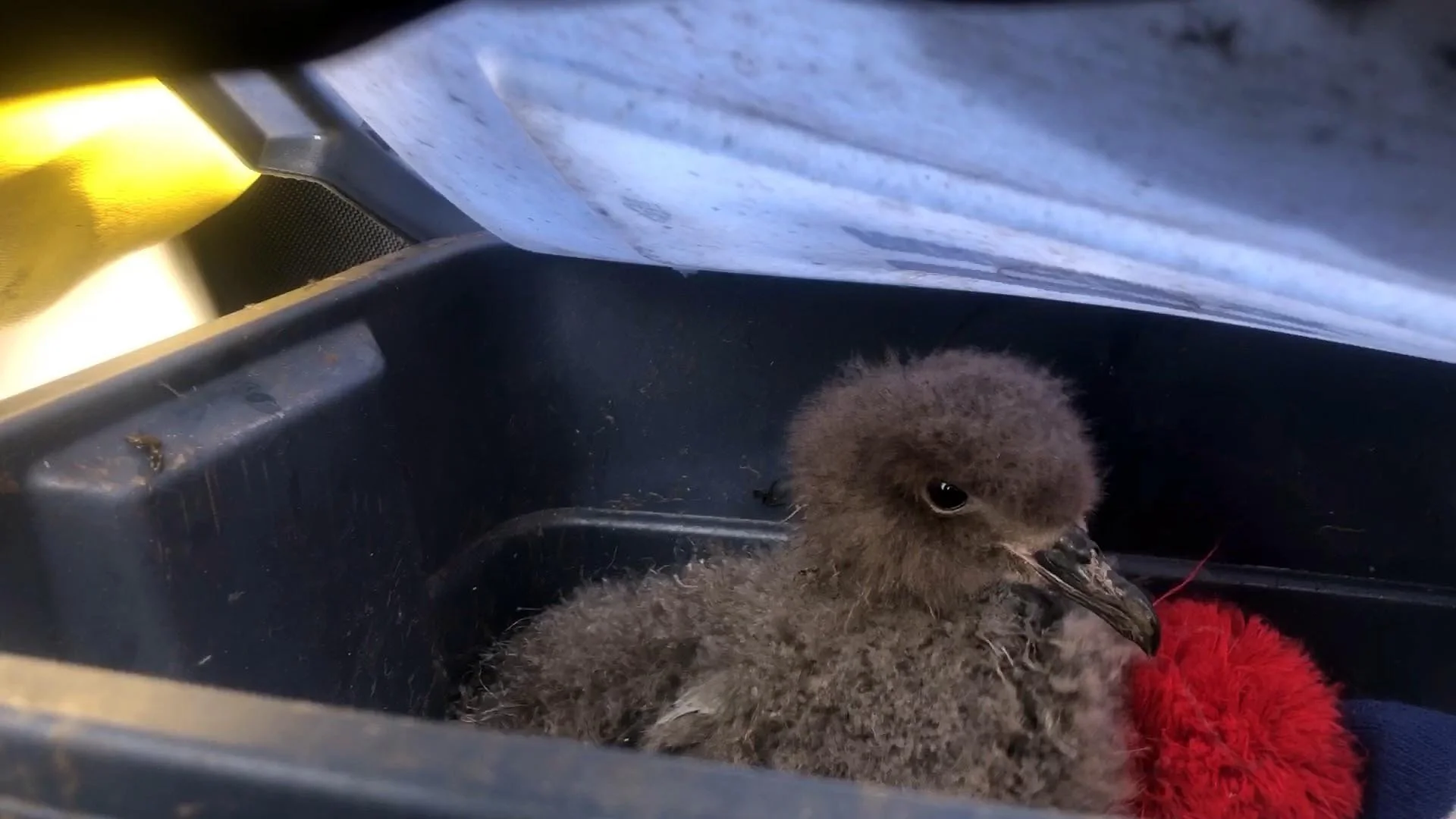
From Flooded To Flying Free – Rescued ‘Ua’u Chick Released After 67 Days Of Care
After 67 days of care by the Save Our Shearwaters (SOS) program, an endangered Ua’u (Hawaiian Petrel) that had been rescued from a flooded burrow flew safely out to sea late last week.

Rare Footage Shows An ‘A‘o (Newell’s Shearwater) Attempting To Regain Flight After Being Downed By Lights
An endangered ‘A‘o (Newell’s Shearwater) was filmed this month trying to take off after being attracted to lights in Waimea and crash landing. The bird was subsequently rescued after staff from Archipelago Research and Conservation (ARC) spotted the bird through a thermal camera while it was climbing a fence in a bid to get airborne.

Seabird Rescue! Hawaiian Petrel Chick Saved From Flooded Burrow
An endangered Ua’u, or Hawaiian Petrel was rescued from a flooded burrow in Hono o Nā Pali Natural Area Reserve late last week by a monitoring team from Archipelago Research and Conservation (ARC).

ARC Featured On VICE News
Watch VICE News cover Kaua‘i’s feral cat issue, featuring ARC’s Scientific Director, André Raine! We really love the animations. Please keep your cats indoors and respect native wildlife!